Reading opens doors to new worlds, ideas, and perspectives. Yet many children and young adults view it as a chore rather than a pleasure. The key to changing this mindset lies in one simple principle: choice. When readers have the freedom to select their own books, they're far more likely to develop a genuine love for reading that lasts a lifetime.
Why choice matters in reading
Autonomy is a powerful motivator. When children choose their own reading material, they take ownership of the experience. This sense of control makes reading feel less like an obligation and more like an adventure they've chosen to embark upon. Research consistently shows that students who select their own books read more frequently and with greater enthusiasm than those assigned texts without input.
Choice also allows readers to follow their natural curiosities. A child fascinated by dinosaurs can devour non-fiction about prehistoric creatures. Another drawn to fantasy can explore magical realms. By aligning reading with personal interests, we transform it from a task into a passion.
Breaking free from "appropriate" reading levels
Traditional approaches often restrict children to books within a specific reading level. Whilst these guidelines have their place, they can inadvertently limit exploration and discourage reluctant readers. A struggling reader might find motivation in a graphic novel that's technically "too advanced," whilst a proficient reader might enjoy a simpler book purely for entertainment.
The goal isn't always to push readers towards more complex texts. Sometimes a child needs the confidence boost that comes from finishing an "easy" book. Other times, sheer interest in a topic will carry them through a more challenging read. Trusting readers to know what they need—with gentle guidance when appropriate—fosters both skill development and genuine engagement.
Creating a choice-rich environment
Encouraging choice doesn't mean abandoning structure entirely. Parents and educators can create environments where choice thrives by offering diverse options. Stock bookshelves with various genres, formats, and topics. Include graphic novels, poetry collections, magazines, and non-fiction alongside traditional chapter books.
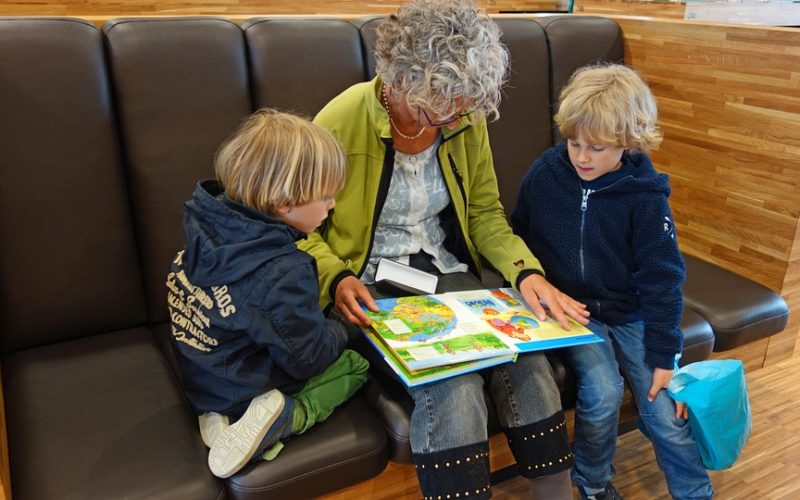
Regular library visits provide excellent opportunities for exploration. Allow children time to browse freely, picking up books that catch their eye. Resist the urge to redirect them towards books you think they "should" read. Instead, show enthusiasm for their selections and engage them in conversations about what drew them to particular titles.
Book talks and recommendations from peers can also spark interest. When children hear classmates excitedly discuss a book, they're more likely to want to read it themselves. Creating book clubs or reading groups where participants choose titles democratically combines social connection with reader autonomy.
Supporting choice without abandoning guidance
Offering choice doesn't mean leaving readers completely on their own. Adults play a crucial role in helping children discover new authors, genres, and topics they might not encounter independently. The trick is to present options rather than mandates. Instead of saying "You should read this," try "I think you might enjoy this based on your interest in..."
Pay attention to what readers gravitate towards and use that information to suggest similar titles. If a child loves a particular series, introduce them to read-alikes. If they enjoy stories with strong friendships, point them towards books with similar themes. This personalised approach shows you value their preferences whilst gently expanding their horizons.
The lasting impact of reader autonomy
When we prioritise choice in reading, we're not just encouraging a short-term habit. We're building lifelong readers who view books as sources of joy rather than obligations. These readers develop the confidence to explore independently, the curiosity to seek out new perspectives, and the resilience to tackle challenging texts when they're genuinely interested.
The power of choice transforms reading from something children must do into something they want to do. By respecting their preferences, trusting their instincts, and providing diverse options, we cultivate not just better readers, but passionate ones.